
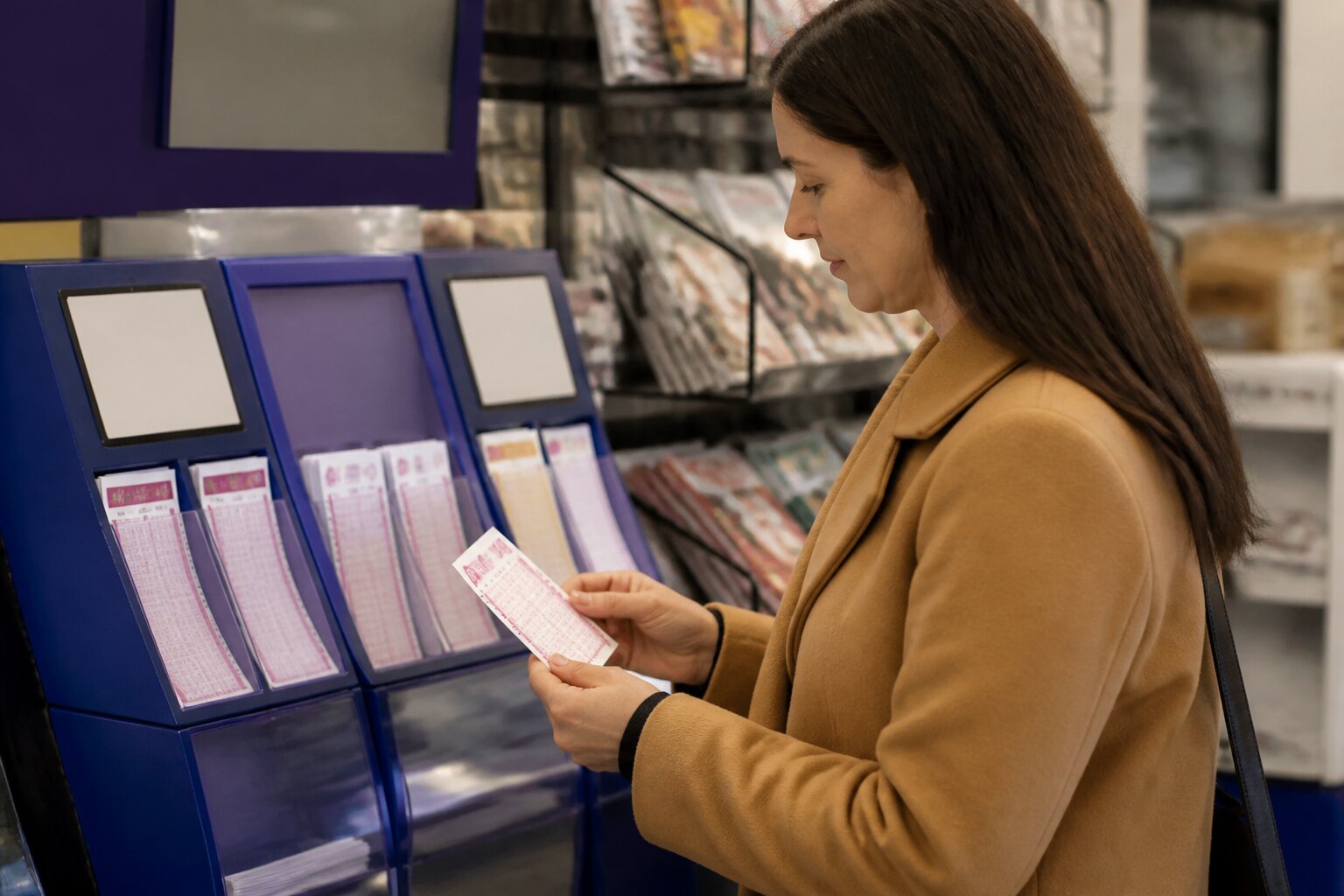
Ever wondered just how many people in the UK play the lottery? From dream-sized jackpots to the simple pleasure of a scratchcard, the lottery is woven into many people’s routines.
Whether you buy a ticket every week or only occasionally, you are far from alone: the lottery is one of the country’s most widely participated-in gambling activities. This article looks at who plays, how participation varies, and what recent statistics reveal about the UK’s relationship with the lottery.
Read on to explore participation by age and region, how play has changed over time, and where to find the official figures that explain the picture.
How Popular Is the Lottery in the UK?
The lottery is the most commonly played form of gambling in the UK. Official surveys show that draw-based games and scratchcards attract more regular players than casino products, sports betting or online slots. Ticket sales run into the billions of pounds each year, reflecting routine purchases by a large segment of the adult population.
Part of this popularity comes from accessibility: draw-based games are simple to understand and widely available in shops and online. Scratchcards offer instant results and appeal to people seeking a quick, low-commitment form of play. Together, these formats give the lottery a broad reach across demographic groups.
Next, we’ll look at which age groups are most likely to play and how that helps explain the patterns seen in overall participation.
What Age Groups Play the Lottery Most?
Participation is limited to adults, and rates vary noticeably by age. Adults aged 45 to 64 typically report the highest engagement, often incorporating ticket purchases into weekly routines. Those aged 65 and over also show steady involvement, reflecting longstanding habits with draw-based games.
Younger adults, particularly the 18 to 24 bracket, take part less frequently. The 25 to 34 group shows mixed results: some adopt online formats more readily, while others maintain lower participation than older cohorts. These differences are shaped by factors such as digital habits, disposable income and personal preferences.
Measures to protect players of all ages are built into how the lottery is managed, so the next section considers how participation differs across regions of the UK.
How Does Lottery Participation Vary by Region?
Regional patterns reflect population size, retail access and local customs. England records the largest number of participants, simply because it has the biggest population, while Wales and Scotland also show strong engagement. Northern Ireland participates at comparable rates relative to its population.
Urban areas may register slightly higher ticket sales because of greater outlet density, but rural communities often sustain regular participation through local retailers and social networks. The spread of online play has helped reduce some regional differences by making participation easier regardless of location.
With those regional differences in mind, the next section explores the motivations that lead people to buy lottery tickets.
Why Do People Play the Lottery?
People play for a mix of reasons. Entertainment and the sense of anticipation are common motivators, and many treat ticket purchases as part of a familiar routine or a small, manageable indulgence. The experience of buying a ticket, following the draw and imagining different outcomes can provide a brief, harmless diversion from everyday life when done in moderation.
For others, playing together in syndicates with friends, family or colleagues adds a social element. Sharing tickets, pooling funds and celebrating small wins together can strengthen social bonds and make the activity feel more communal than solitary. These social interactions are often as important as the prospect of winning itself.
A substantial reason for participation is the contribution to good causes. A proportion of lottery proceeds is allocated to charitable projects, the arts, sport and community initiatives, and that distribution is a meaningful incentive for many players. Knowing that part of the spend supports local or national projects can make the spend feel more purposeful, provided players treat it as an occasional, controlled form of charity and entertainment rather than a financial plan.
These motivations interact with changes in the market, which leads into how participation has evolved over time. Shifts in product availability, advertising and digital access have altered how and when people play, but underlying reasons such as fun, social connection and contributing to causes remain central to why people continue to take part.
How Has UK Lottery Participation Changed Over Time?
Participation has adjusted gradually in response to shifts in regulation, product offerings and technology. Traditional draw-based games have retained broad appeal, while online and mobile platforms have introduced new ways to play that suit a more digitally engaged audience.
One clear change is the growing role of digital channels in attracting players who prefer to buy tickets via apps or websites. The move online has tended to increase participation among younger and middle-aged adults, while many older players continue to favour in-shop purchases. Regulatory changes, including the legal age for play, have also influenced who takes part and how providers present safeguards.
As digital options expand, it is useful to compare who chooses online play versus in-person purchases, which is the focus of the next section.
Who Plays Online vs In-Shop?
Both channels remain important and serve different preferences. Retail outlets continue to attract players who value the local interaction or prefer physical tickets. Many people appreciate the simple routine of popping into a shop and the tangible experience of holding a ticket. Digital platforms appeal to people seeking convenience, the ability to manage entries from a device, or the extra features that some apps provide, such as reminders, subscription options and quick access to results.
Demographic Differences in Online Play
Online play is more common among adults aged 25 to 44, who tend to be comfortable using mobile and web platforms. This group often values the speed and flexibility of purchasing online, and may combine lottery play with other digital habits. Older adults, particularly those over 55, are more likely to buy tickets in shops, where routines and face-to-face transactions are familiar and trusted.
Access to the internet and digital confidence are major factors in these differences. Availability of devices, broadband access and a person’s comfort with technology all influence which channel they choose. Improving digital literacy across age groups means the balance continues to shift, with more people gradually exploring online options while many still prefer traditional retail outlets.
Impact on In-Person Lottery Sales
The rise of online sales has altered buying patterns but has not eliminated in-person purchases. Many players continue to use shops for quick tickets or scratchcards, enjoying the immediacy and social aspect of retail purchases. Others prefer the convenience of online options for scheduled plays, managing multiple entries or checking results from home.
Both channels are maintained with security, verification and safeguards appropriate to each medium, supporting a wide range of player needs. Retailers and operators work to ensure responsible play and to meet regulatory requirements, whether a ticket is sold in person or via an app. Understanding these differences helps when comparing lottery participation with other forms of gambling, which is covered next.
How Do Lottery Statistics Compare to Other Forms of Gambling?
Lottery formats attract a broader and more consistent player base than many other gambling activities. Sports betting, casino games and online slots tend to draw smaller, more specialised audiences and show different patterns of frequency and spending.
Some forms of gambling require more knowledge or strategy and therefore appeal to particular groups, whereas the lottery’s straightforward structure makes it accessible to a wider population. Even as online gaming grows, the lottery’s combination of simplicity and widespread availability keeps it at the top in terms of participation.
To correct common misunderstandings about how the lottery works and how participation is reported, the next section addresses several myths.
Common Myths About UK Lottery Participation
There are a few persistent misconceptions. One is that some numbers or systems increase the chance of winning; draws are random and no number combinations carry advantage. Another is an overestimation of winning probabilities; major prizes are rare, while smaller wins are more common and the odds for each prize tier are published openly.
Some people assume buying more tickets at once or timing purchases changes outcomes. In reality, each draw is independent. There can also be confusion about how proceeds are used: a portion funds community and charitable projects, and transparent breakdowns are available from official sources.
Clearing up these misconceptions helps when seeking reliable data, which leads into where official statistics can be found.
Where Can You Find Official UK Lottery Statistics?
Accurate, up-to-date information comes from the organisations responsible for oversight and operation. The Gambling Commission publishes surveys and reports on participation rates, demographics and broader gambling behaviour. The National Lottery provides data on ticket sales, prize distributions and funds allocated to good causes. Independent research organisations also publish studies that analyse trends and impacts.
Visiting the official websites of these bodies will provide detailed figures and contextual reports to help interpret participation patterns and understand how the lottery fits into the wider gambling landscape.
This completes the overview of who plays the lottery in the UK and how participation is measured, offering a clear, evidence-based picture of this enduring national pastime.
**The information provided in this blog is intended for educational purposes and should not be construed as betting advice or a guarantee of success. Always gamble responsibly.