
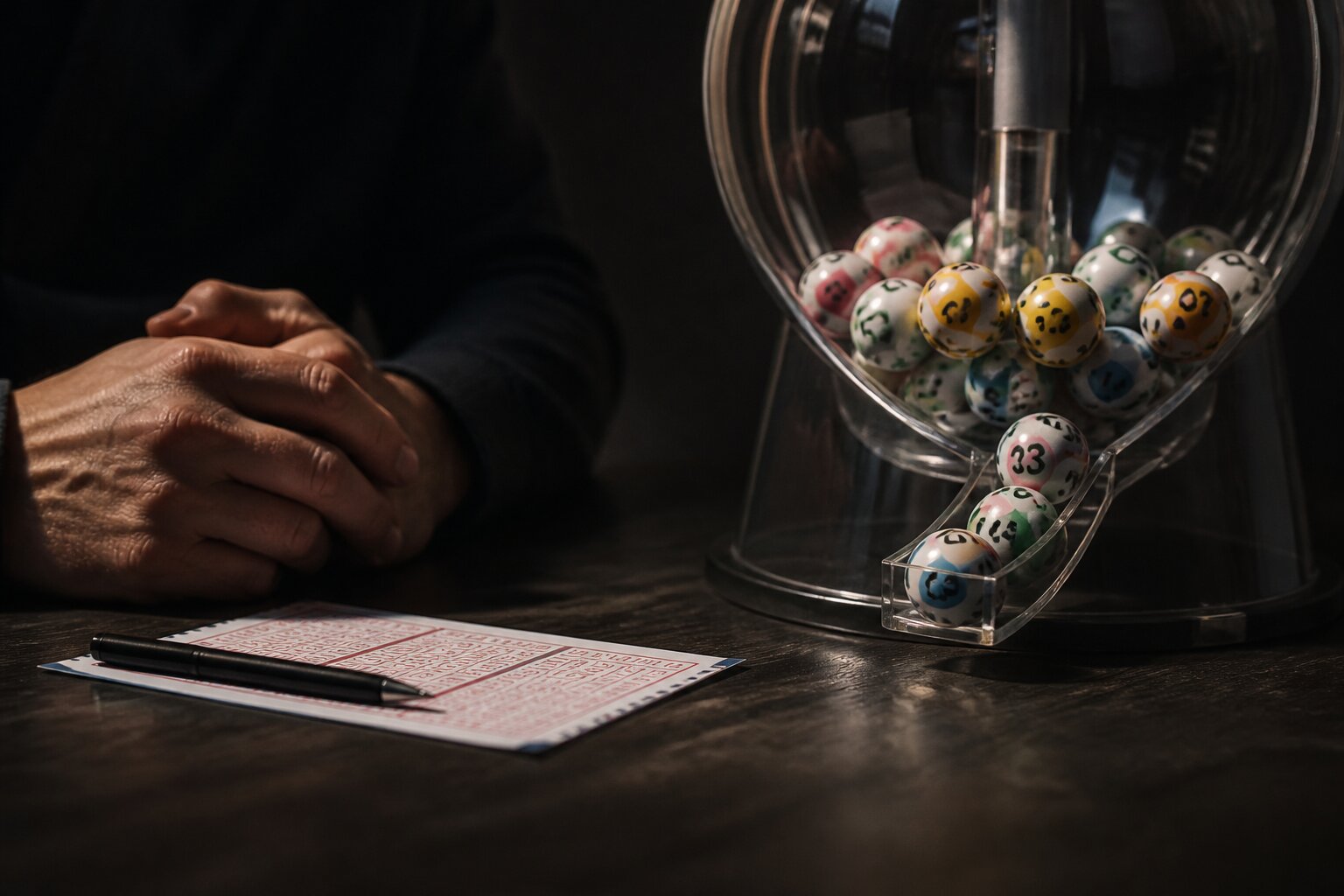
Every Saturday night, millions of us watch those bouncing balls, dreaming of swapping the daily grind for a holiday, a new car or a roomy house in the country. But while the National Lottery promises life-changing jackpots, there’s often a nagging question: is it really fair, or is something shady happening behind the scenes?
You may have heard the usual gossip — “it’s always someone from down south who wins” — or seen threads about ‘hot and cold’ numbers. Those stories persist because humans are good at spotting patterns and even better at inventing explanations when the outcome isn’t what we hoped for. The reality is less sensational, and understanding how draws work makes that clear.
Read on to see how draws are run, which rumours simply don’t stand up, and what the real odds mean for anyone buying a ticket.
Is the Lottery Fair?
Lottery draws in the UK operate within a strict regulatory framework that sets out clear rules for fairness and transparency. The regulator requires independent oversight, routine testing of equipment and open procedures for every draw. No licensed operator is permitted to influence who wins, and there are legal penalties for anyone who tries.
Before each draw, machines and balls are inspected, weighed and sealed, with external witnesses present. The draw itself is broadcast live and audited after the event to confirm the result. These measures are designed to prevent manipulation and to ensure every ticket has an equal chance.
This level of control also helps explain why rumours persist even when there is no evidence of tampering. Next, we’ll look at the most common myths and what the evidence actually shows.
Popular Lottery Rigging Myths Debunked
Rumours about fixed draws have circulated since lotteries began. Some claims sound plausible at first glance, but closer inspection typically exposes misunderstandings about how draws are run and audited. Many myths arise from a lack of awareness about the safeguards in place and from people misinterpreting ordinary statistical variation as evidence of manipulation.
Are National Lotteries Manipulated?
All official draws use either mechanical machines or certified random systems under the supervision of independent adjudicators. Draws are typically broadcast live or otherwise publicly verifiable, so numbers are revealed in real time and there is no opportunity to pre-select winners. Staff do not have a mechanism to pick winners, and any attempt to interfere would breach both licence conditions and criminal law, carrying severe penalties.
Lottery operators are also subject to regulatory oversight and regular audits by external bodies. These checks include verification of procedures, review of operator records and confirmation that systems meet required technical standards. Together, these measures are designed to protect the integrity of the draw and to reassure the public that outcomes are genuinely random.
Can Draw Machines Be Tampered With?
Machines and ball sets are tested by external engineers before and after use. Tests include checks for wear, consistency and compliance with equipment specifications, and any anomalies are recorded. If a fault appears, the draw is halted and the equipment is replaced, and the incident is reviewed to determine whether additional action is needed.
Published draw histories are available for independent analysis, and statistical reviews have not shown bias that would indicate systematic tampering. Researchers and monitoring organisations can access past results to look for patterns, and these independent examinations support the conclusion that the process operates fairly. Across the process, independent checks reduce the risk of manipulation and increase public confidence. The next section explains how those checks are carried out in practice.
How Are Lottery Draws Monitored for Integrity?
Several practical safeguards protect each draw. Independent adjudicators attend and document every step, ensuring established procedures are followed. CCTV records the secure draw room from equipment storage to the live event, and footage is retained in case any question about the draw arises.
External engineers perform routine tests on each set of balls and every machine. Weighing and calibration confirm no set is out of specification. Audit trails record the movement and handling of equipment, ticket sales, result publication and all related actions. These records create a clear paper trail should an investigation be required.
With that background on oversight, it becomes clearer why concerns about unfair draws generally centre on rare instances of fraud rather than structural faults. Next, we’ll consider the actual chances of winning so you can put those concerns into context.
What Are the Real Odds of Winning?
Winning a major lottery prize is a long shot and the published odds reflect the mathematical reality of the game format. Those odds are fixed by the rules of each game and cannot be changed by operators without public notice.
Here are the published chances for some popular UK games:
UK National Lottery (Lotto)
- Jackpot (match 6 numbers): 1 in 45,057,474
- Match 5 + Bonus Ball: 1 in 7,509,579
- Match 5: 1 in 144,415
- Match 4: 1 in 2,180
- Match 3: 1 in 97
- Match 2: 1 in 10.3
- Jackpot (match 5 numbers + 2 Lucky Stars): 1 in 139,838,160
- Match 5 + 1 Lucky Star: 1 in 6,991,908
- Match 5: 1 in 3,107,515
- Match 4 + 2 Lucky Stars: 1 in 621,503
Smaller prizes occur much more frequently than jackpots and are the reason many players enjoy occasional wins. These probabilities are independent of previous draws and not something that can be influenced. To understand the limits of manipulation and why actual rigging is rare, the next section examines known cases where fraud did occur.
Have There Been Proven Cases of Lottery Rigging?
Proven cases of rigging are uncommon, particularly in the UK where controls are strong. However, several notable incidents internationally show how fraud can happen when controls are weaker or circumvented.
A UK incident in 2009 involved a claim on a counterfeit ticket for a multimillion-pound prize. That case centred on internal fraud rather than a tampered draw and resulted in prosecution and tighter controls. Elsewhere, the Hot Lotto scandal in the United States exposed how an individual with system access altered a random number generator and claimed a jackpot; that offender was later caught and convicted.
These cases prompted industry-wide reviews of procedures and prompted changes to security and oversight. They underline that while structural rigging of draws is unlikely when proper safeguards are in place, vigilance and robust controls are essential. With that in mind, many players consider syndicates as a way to spread risk — but those come with their own considerations.
Should You Trust Lottery Syndicates?
Syndicates let groups pool funds to buy more tickets, increasing collective coverage of number combinations. Official syndicates typically provide a written agreement detailing members, contributions and how any prize will be divided. That paperwork reduces disputes and provides a clear record.
Informal syndicates among friends or colleagues can work well when trust is high and arrangements are recorded. Problems most often arise from unclear agreements, missing records or untracked payments. Syndicates run by unknown organisers or advertised online carry additional risk because there is no guarantee the operator will act transparently.
If joining a group, look for a clear membership list and a documented sharing arrangement. Those measures help protect everyone involved and reduce the chance of disagreement if a win occurs. With the structure of syndicates clear, it’s worth stepping back to consider the overall picture: the safeguards, the myths and the mathematics all point to the same conclusion.
The Bottom Line: Examining Truth, Myths and the Real Chance of Winning
Huge prizes and headline-grabbing winners naturally generate suspicion, but the evidence indicates that UK draws are conducted under strict rules, with independent oversight, robust auditing and well-documented procedures. Common myths about pre-selected numbers or biased machines do not match how draws are managed in practice.
Instances of fraud have occurred, but they are exceptional and usually involve breaches of internal controls rather than structural manipulation of the draw itself. When problems have arisen, they have led to legal action and revised safeguards that make repetition far less likely.
The mathematical reality is that winning a big jackpot is very unlikely. Treating play as entertainment and keeping wagers modest will make participation enjoyable without unrealistic expectations. Play on regulated games and keep records when joining syndicates, and you can enjoy the excitement of the draw knowing the system is designed to be fair.
**The information provided in this blog is intended for educational purposes and should not be construed as betting advice or a guarantee of success. Always gamble responsibly.