
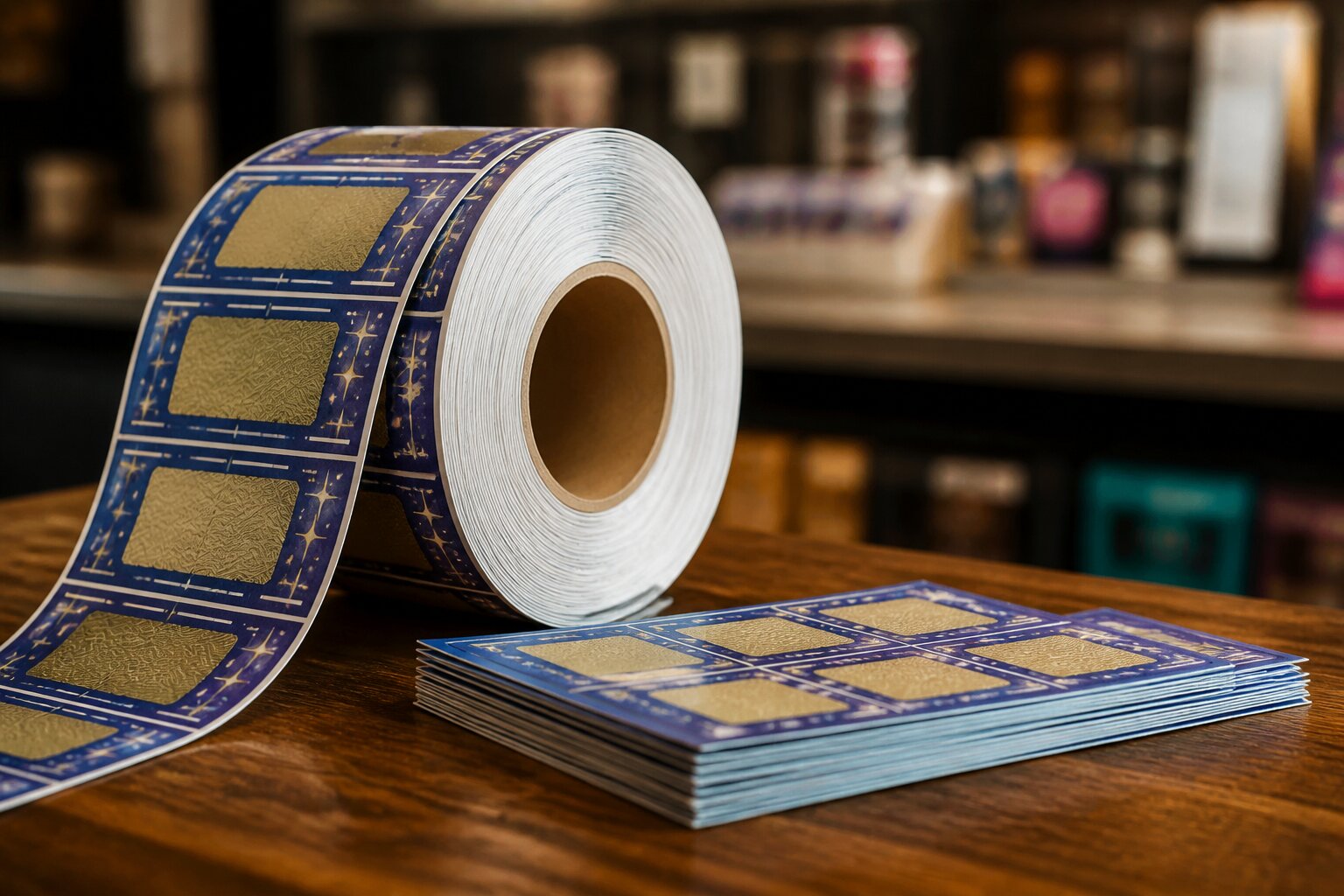
Ever wondered how many scratch cards come in a full roll, or whether you can buy an entire roll yourself? Scratch cards are a familiar sight across the UK, and their packaging and sale follow clear rules that many people find puzzling.
This guide explains the common roll sizes, how those sizes are decided, where full rolls can — and can’t — be bought, and the practical considerations to weigh before making a purchase. Read on for straightforward facts and useful examples that make the system easy to understand.
How Many Scratch Cards Are in a Roll?
Roll sizes differ by game and price. Typical arrangements in the UK are:
- Lower-price cards are often supplied in larger quantities per roll — for example, £1 cards commonly come in rolls of up to 60.
- Mid-range cards, such as £2, are more frequently packaged in rolls of around 40.
- Higher-value cards, such as £5, usually come in smaller rolls of 20 or 30.
Cards in a roll are sequentially numbered to help retailers track stock and to support security procedures. The exact count for any particular game is decided by the game operator to suit sales patterns and display requirements.
These practical choices about quantity affect both how retailers store and present cards and how quickly a game moves through the market. Next, we’ll look at the factors that lead operators to choose one roll size over another.
What Determines the Number of Scratch Cards in a Roll?
Several practical considerations influence roll size. Price per card is the main factor: lower-priced cards move faster through tills and suit larger rolls, while higher-priced cards are held in smaller batches. The game format matters too — seasonal or special-edition games often come in limited quantities to match demand and to simplify distribution.
Retail display and storage also shape roll design. Manufacturers plan roll dimensions so cards fit common dispensers and tills, helping retailers present products neatly and securely. Operational aims, such as how quickly a game should turn over and how easily staff can manage stock, feed into those decisions.
Understanding these constraints makes it clearer why roll sizes vary between games and why manufacturers choose particular counts. With the logistics explained, the next issue many readers ask is where full rolls can actually be bought.
Where Can You Buy Full Rolls of Scratch Cards?
Scratch cards are sold widely through standard retail outlets and specialist lottery stores, but full rolls are not typically offered for routine customer purchase. Most retailers display single cards and will sell multiple cards in one transaction, yet the practice of handing over an entire unopened roll is uncommon and controlled.
Specialist lottery outlets may occasionally fulfil requests for a full roll, but such sales are subject to store policy and licensing conditions. Buying physical scratch cards online for home delivery is not a legitimate option; authorised remote instant-win games exist, but those are digital and do not replace the rules that govern physical-ticket sales.
Because full-roll sales are exceptional rather than routine, it is important to check with a retailer if obtaining a complete roll is essential. If a roll is available for sale, the retailer will follow the necessary procedures to complete the transaction. The next section explains the limits that typically govern those procedures.
Are There Buying Restrictions for Full Rolls?
There are clear restrictions around purchasing full rolls, designed to ensure lawful and responsible sales. All sales of lottery products must be to adults aged 18 or over, and retailers are expected to carry out age verification for larger transactions or where they have any doubt about a buyer’s age.
Retailers may impose further safeguards: refusing a sale, asking for ID, or applying additional checks for bulk purchases. Staff are trained to be vigilant about unusual buying patterns and to take action if they suspect a transaction could cause harm. These measures are in place to make sure large purchases are legitimate and properly recorded.
Retail compliance is enforced through licensing and regular oversight, so any full-roll sale will be completed under those frameworks. Having covered who can buy and how purchases are checked, the next part looks at what such a purchase will cost.
How Much Does a Full Roll of Scratch Cards Cost?
The total cost of a roll is the unit price multiplied by the number of cards in the roll. A few illustrative examples make this concrete:
- A roll of 60 cards at £1 each would cost £60.
- A roll of 40 cards at £2 each would cost £80.
- A roll of 20 cards at £5 each would cost £100.
Prices are fixed by the game operator and shown at point of sale, so totals are transparent and non-negotiable. Retailers will complete the sale with the usual receipt and proof-of-purchase procedures.
Knowing the typical totals helps when planning a purchase for an event or a one-off need. Next, we consider the legal and safety aspects of buying full rolls in the UK.
Is It Legal and Safe to Buy Full Rolls in the UK?
Purchasing a full roll is legal when done through authorised, licensed retailers and when all applicable checks are completed. Licensed outlets operate under regulatory oversight and must follow procedures for sale, record-keeping, and customer protection. Buying from unregulated sources or unauthorised online sellers is unsafe and should be avoided.
Legitimate retailers adhere to rules that protect consumers and ensure the validity of tickets. That legal framework provides reassurance that a ticket bought from a proper retailer is genuine and backed by the operator’s systems. With legality and safety established, it helps to think practically about whether a full roll is the right choice for a particular purpose.
Key Things to Consider Before Buying a Full Roll
Before committing to a full roll, weighing a few practical and personal factors will help you make an informed decision.
Consider your budget and how the cost fits with other household priorities. Large purchases can be significant, so be sure the outlay is affordable and planned. Check the game’s published odds and prize structure, which are printed on the ticket or available from the operator; understanding the structure clarifies what the roll actually offers.
Confirm that the retailer is authorised to sell official lottery products, and ask about any store-specific rules for bulk purchases. Use any available tools or information at the point of sale that help manage spending and make sensible choices.
Reflect on your motives for buying a roll — whether it’s for an event, a gift, or a personal purchase — and make sure it aligns with considered spending rather than impulse. If concerns about gambling behaviour arise, support and advice are available from specialist services.
Taking these points into account will make a full-roll purchase straightforward and secure, whether it’s for a specific occasion or a one-off curiosity.
**The information provided in this blog is intended for educational purposes and should not be construed as betting advice or a guarantee of success. Always gamble responsibly.