
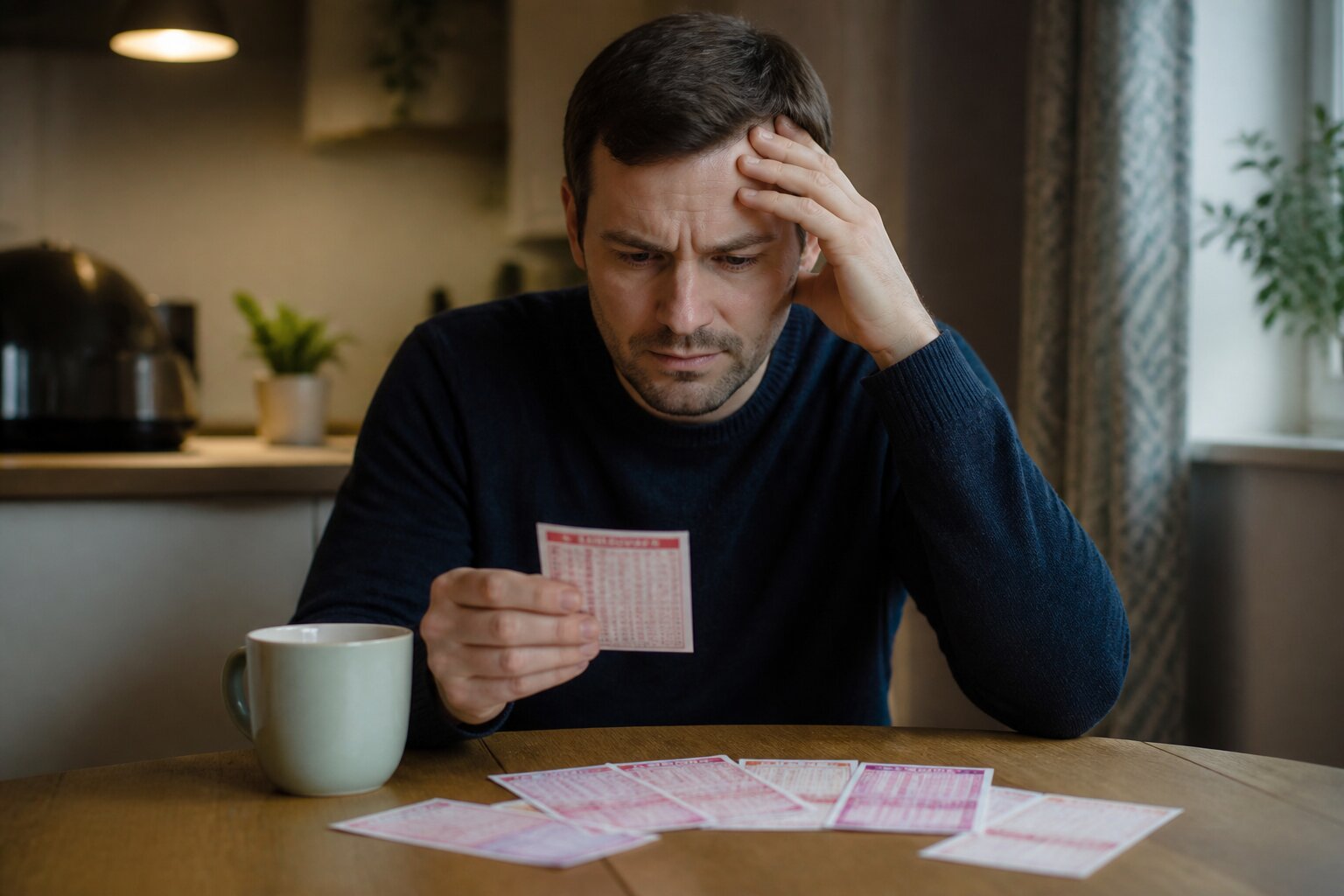
Ever found yourself staring at another losing lottery ticket and thinking, “Why me?” It’s a question most players have asked at some point.
Before you give up or start chasing miracle strategies, it helps to understand how lotteries actually operate and what the real odds are.
This article will sort fact from fiction, tackle common myths, and give you clear, practical context so you can decide whether to play again with open eyes.
How Do Lottery Odds Really Work?
When you buy a lottery ticket you enter a process governed by randomness and probability. Each draw is independent: the numbers selected in one draw do not influence the next. The odds of winning a top prize are determined by how many number combinations are possible in that specific game.
For example, selecting six numbers from a pool of 59 creates millions of possible combinations, which is why the chance of matching every number is extremely small. Lotteries are run with transparent procedures and audited systems to make sure every outcome follows the game's rules and the stated probabilities. Because of the very large number of possible combinations, jackpot wins are rare by design.
Understanding these mechanics is useful when evaluating strategies and claims, and it leads naturally into whether any practical actions can materially change those odds.
Can You Improve Your Chances of Winning?
There are only limited ways to alter your mathematical chance of winning. Buying more tickets increases the number of combinations you hold, but it also raises your cost proportionally and still leaves the overall probability of a win very low. Choosing particular numbers—birthdays, sequences, or “cold” numbers—does not change the underlying mathematics: each possible combination in a fair draw has the same probability of being chosen.
Because the potential improvement from methods like buying extra tickets is marginal compared with the expense, most sensible players treat tickets as low-cost entertainment rather than an investment. Keep a firm budget and be mindful of how much you spend relative to the enjoyment you get, and the next section will explain why promises of guaranteed systems are misleading.
The Role of Number Selection
Some players prefer picking personal dates, others use quick-pick random selections. Neither approach alters the chances of a draw. What a number choice can affect, however, is how many other people might share a win: common patterns like birthdays increase the likelihood of splitting a prize if a winning sequence appears. That consideration can be useful if a smaller expected share of a prize influences whether you pick bespoke numbers or a computer-generated set.
The Impact of Ticket Quantity
Increasing the number of tickets raises exposure to more combinations, but the benefit must be weighed against cost. For most players the marginal gain in probability is small compared with the total outlay required to meaningfully move the odds. Many people find it more practical to set a limit on spending and accept the ticket as a modest entertainment expense.
Is There a Secret System or Guaranteed Trick?
No legitimate system guarantees a win. Because draws follow strict probabilistic rules and are independently audited, claims of foolproof methods are unfounded. Commercial services or software that promise predictable wins misunderstand—or misrepresent—the statistical nature of lottery draws.
Marketing that suggests patterns, predictive algorithms, or special number sets should be treated with scepticism. Such claims typically ignore the basic combinatorics that determine outcomes, and they can encourage overspending. Maintaining realistic expectations about what systems can and can’t do protects both your wallet and your peace of mind. Looking next at common myths helps to see exactly where these claims fall apart.
Common Lottery Myths Debunked
A frequent myth is that some numbers are “due” or appear more often. In a properly run lottery, frequency variations over time are consistent with random sampling; no number sequence has a persistent advantage. Stories about people who claim to have cracked the code often rely on selective examples and ignore the many players who never win. Claims of prediction software likewise fail when subjected to statistical testing under fair conditions.
What the Experts Say
Statisticians and regulatory bodies emphasise that draw outcomes cannot be influenced by player behaviour. The rules of probability and the operational safeguards in place mean that attempts to manipulate outcomes are ineffective. The most sensible approach is to play with modest expectations and to avoid vendors that guarantee results.
Why Do Some People Seem to Win More Than Others?
Reports of repeat winners can give the impression that a pattern exists, but these cases are typically examples of how probability plays out across large numbers of players and tickets. With millions of entries, it is statistically likely that a small number of people will experience multiple wins just by chance. Media coverage tends to highlight these anomalies, making them seem more common than they are.
Other explanations for apparent repeat wins include organised syndicates that buy many tickets collectively, or players who participate in a wide variety of games over time—both of which raise the chance of occasional wins without implying any special insight. Understanding how sampling and publicity interact clarifies why the occasional headline-winning story shouldn’t change how an individual approaches play.
The Psychology Behind Playing the Lottery
People are drawn to the lottery for several psychological reasons: the anticipation of a potential prize, the thrill of taking part in a communal event, and the pleasure of imagining alternative possibilities. Cognitive biases shape how these feelings are interpreted. For instance, the gambler’s fallacy encourages the belief that recent losses make a win more likely, while the availability heuristic leads people to overestimate the frequency of wins because those stories get media attention.
Recognising these tendencies can help keep expectations realistic. If the emotional payoff of imagining possibilities is the main enjoyment, then spending modestly to preserve that pleasure makes sense. The next section considers whether that trade-off is worthwhile for different people.
Is Playing the Lottery Ever Worth It?
Whether the lottery is worth it depends on what a player hopes to gain. For most, the value lies in brief excitement and the simple entertainment of participating; financial return is unlikely and should not be the primary motive. Comparing the cost of tickets to the enjoyment derived from them helps determine whether play is a worthwhile outlay.
Framing the ticket as a form of leisure spending—similar to a cinema ticket or a night out—can clarify expectations and support sensible budgeting. If playing fits comfortably within discretionary spending and does not lead to chasing losses, it can remain a low-stakes pastime. The following section offers alternative activities that provide similar thrills but different pacing or social aspects.
Alternatives to Playing the Lottery
If the appeal is the thrill of chance or the social aspect, there are alternatives that offer more frequent outcomes or different types of engagement. Games like bingo provide a communal atmosphere and relatively quick results, while instant-win games supply immediate outcomes and a variety of formats. Other recreational options—such as quizzes, fantasy sports, or social gaming—offer competitive excitement without the long odds of a jackpot.
When exploring alternatives, consider which elements you enjoy most: social interaction, speed of outcome, or thematic content. Choosing options that align with those preferences often yields greater satisfaction per pound spent than chasing improbable large prizes.
Final Thoughts on Lottery Wins and ‘Tricks’
Lotteries are structured so that outcomes follow known probabilities; no method can reliably alter those odds. Stories of unusual wins are inevitable when many people play over long periods, but they do not indicate hidden systems or secret knowledge. Treating the lottery as modest entertainment, maintaining a clear spending limit, and selecting games that suit personal preferences are the practical ways to keep play enjoyable and responsible.
If you choose to play, do so with an accurate sense of the chances involved and a budget that reflects the low probability of substantial returns. That way the experience stays fun without becoming a financial or emotional burden.
**The information provided in this blog is intended for educational purposes and should not be construed as betting advice or a guarantee of success. Always gamble responsibly.