
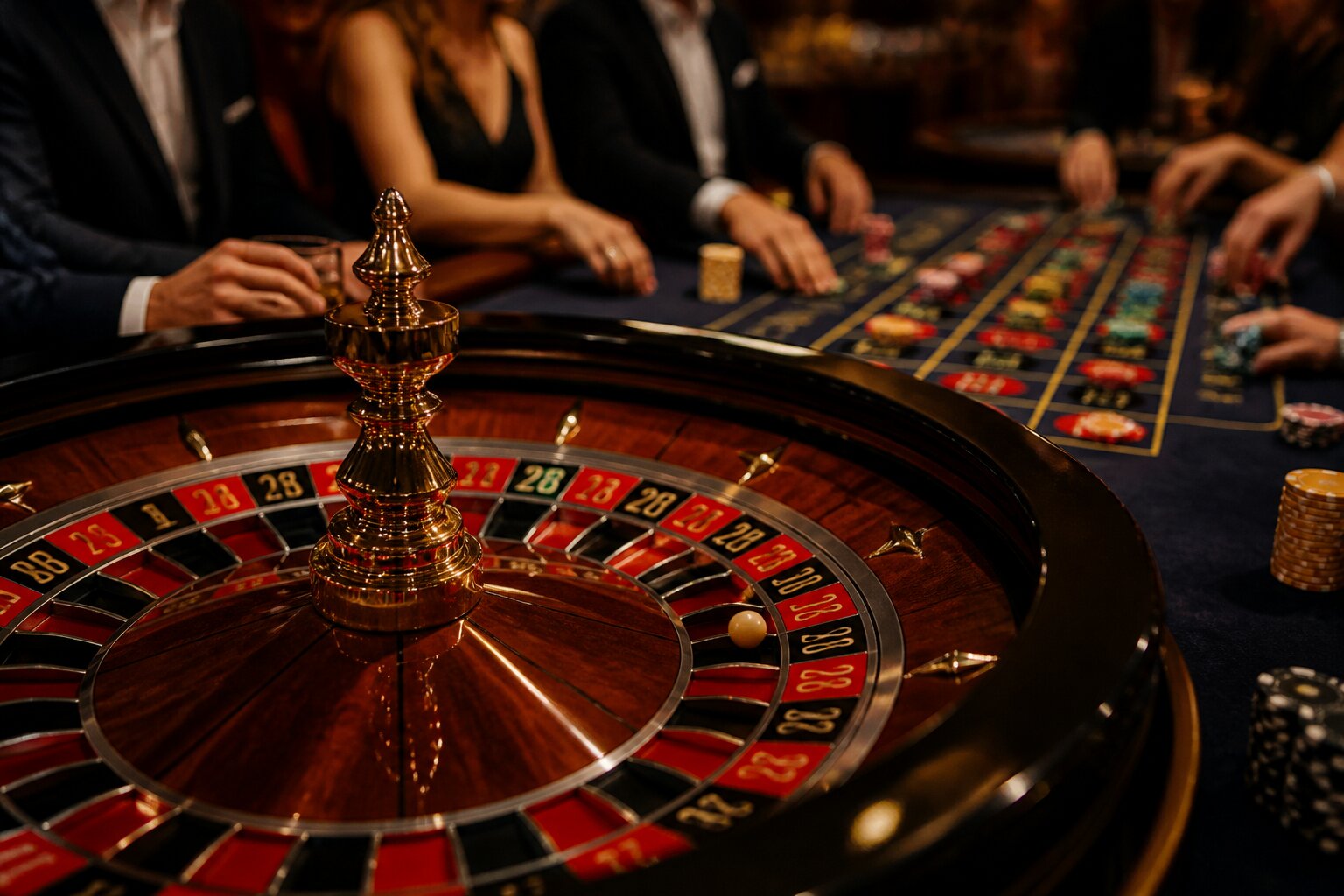
Ever watched the ball skim the rim of a roulette wheel and wondered why some numbers seem to keep coming up in conversation? Whether at a bricks-and-mortar casino or an online table, roulette remains a popular way to place a bet and enjoy the game’s atmosphere. Many players bring stories, traditions and personal meaning to the table, which helps explain why certain numbers get more attention than others.
With so many superstitions and anecdotes about “hot” numbers or patterns, it’s natural to ask if any of those favourites have real substance behind them. The sections that follow take a closer look at what people mean when they call a number “common”, why some numbers attract more chips, and what that actually tells us about the game.
Before we dive into the most-picked numbers and the stories around them, it helps to be clear about what “common” really means in roulette and what it doesn’t imply.
What Does “Common” Mean in Roulette?
When players call a number “common” they usually mean it’s popular — chosen more often by people — not that it wins more. Popularity comes from culture, personal memories or simply what’s easy to spot on the table.
Roulette is a game of chance. On a single-zero wheel there are 37 pockets, and each pocket has the same probability of being the outcome of a spin. That means no number has an inherent advantage over another on a fair, properly maintained wheel.
So the term “common” mainly reflects human behaviour: which numbers players like to pick and why. That distinction matters because it separates stories and traditions from how the game actually operates. Next, we’ll explore the reasons behind those choices and what makes particular numbers stand out to players.
Why Are Certain Roulette Numbers Considered Popular?
Numbers become popular for a mix of cultural associations, convenience and personal meaning. Some digits have broad recognition — for example, 7 is often chosen because it features in cultural references and sport. Others, like 17, are favoured because of film associations and because that number sits centrally on the betting layout, making it easy to find.
Personal connections also matter: birthdays and anniversaries push the lower-numbered range into frequent use, while players who favour neat visual patterns on the betting grid will often cluster chips in particular areas.
Visual factors and table ergonomics are important too. Numbers positioned near the centre of the layout are simple to pick out under pressure, and edge or corner numbers can catch the eye in a crowded game. These influences explain popularity without implying any change to the underlying odds.
With those reasons in mind, it’s useful to look at how players actually pick numbers at the table and the patterns that emerge from those choices.
How Do Players Choose Their Roulette Numbers?
People arrive at the table with all sorts of selection methods. Some use meaningful dates or personal figures; others opt for numbers that are easy to remember or that fit a neat pattern on the felt. Some players prefer grouping bets—covering adjacent numbers or a row—because it feels efficient and gives a sense of control over the layout.
Casinos and online lobbies often show lists of “hot” and “cold” numbers based on recent results. While these displays can influence choices, they don’t change the probability of any particular spin. Players may also choose numbers to match a sporting shirt, an anniversary or simply because the sequence looks balanced.
How these habits play out on the table often determines which numbers become widely seen—and which ones rarely get a chip. The next section lists the most frequently picked numbers and explains why they keep showing up in players’ selections.
Are Hot and Cold Numbers Real Concepts?
Casinos label recent winners as “hot” and long-absent numbers as “cold” to give players quick context on recent spins. These labels describe past events only; the wheel does not retain memory of previous results. Each spin is independent, so a number’s recent frequency does not alter its chance on the next spin.
Does Table Layout Affect Number Choice?
The arrangement of numbers on the felt makes certain choices more convenient. Central numbers are easier to see and reach, while edge numbers can stand out visually. This ergonomic influence helps explain why some numbers are picked more often, and why players sometimes cluster bets in particular sections.
The 10 Most Frequently Picked Roulette Numbers
Across many British tables and online sites, these numbers tend to be chosen most often by players. Their popularity comes from cultural associations, table position and player habit—not from any greater chance of appearing on a spin.
- 7
- 17
- 23
- 32
- 0
- 8
- 11
- 13
- 21
- 36
Number 17 is particularly recognisable because it sits centrally on the betting layout and has strong popular-culture associations. The green 0 attracts attention because it is the one non-red/non-black slot on the wheel. Other picks such as 7, 23, and 32 often appear because they are easy to remember, carry personal meaning, or simply look neat when chips are placed on the felt.
These choices reflect how people play rather than any statistical edge. With that list in mind, it’s worth unpacking what draws players to each of these numbers in more detail.
Individual Number Breakdown: What Makes Each Stand Out?
The table layout and cultural references shape why each number in the top ten is picked.
- 7: Frequently selected because of its cultural resonance and widespread familiarity.
- 17: Easy to spot in the centre of the layout and reinforced by film and media references.
- 23: Chosen for its symmetry and because it sits comfortably in players’ memories.
- 32: Attractive for its position on the betting area and the way it fits into common patterns.
- 0: Distinct visually as the sole green pocket, so it often draws interest from players seeking a different area to back.
- 8: Liked for its simple shape and the sense of completeness it can give to a betting cluster.
- 11: Picked for its twin-digit form and frequent appearance in dates and shirts.
- 13: Used by some as an act of personal preference or reversal of superstition, making it a deliberate choice for certain players.
- 21: Holds cultural resonance and is commonly chosen in casual play for its recognisability.
- 36: Stands out as the highest number and is often used to complete patterns or rounds of bets.
Players often place bets that cover nearby numbers—corners or streets—so one chip can express a broader preference. These layout-driven choices explain a lot about why some numbers appear on betting slips so often. Next, we’ll consider whether any of these patterns imply a real advantage in play.
Do Certain Numbers Win More Often?
On a properly maintained single-zero wheel, each spin is independent and every pocket has the same theoretical chance of being the outcome. Observed patterns in which numbers are bet upon reflect human preferences and table ergonomics, not statistical superiority.
When players see the same numbers reappearing on betting slips, it’s a sign of shared taste and habit rather than a signal that those numbers will deliver more wins. Bearing that in mind helps keep expectations realistic about what the numbers can and cannot do for a player’s session.
With the practical mechanics clarified, it’s useful to look at common myths that influence player choices and how they compare with the realities of the game.
Roulette Number Myths: Fact or Fiction?
Many stories wind their way around the wheel, giving certain numbers a kind of reputation. Here are the common explanations behind the top picks and how they actually measure up.
- Cultural and media influences: References from film, sport and literature shape which numbers people like to back. That explains much of 17’s and 7’s popularity.
- Table ergonomics: Where a number sits on the layout affects visibility and convenience; this helps explain why central numbers are frequent choices.
- Personal meaning: Birthdates, anniversaries and favourite shirt numbers naturally push some digits into heavier use.
- Visual appeal: Players often favour numbers that fit tidy patterns on the felt, which makes some sequences more commonly bet than others.
- Special positions: The single green 0 is visually distinct, which explains why it attracts attention despite having no statistical edge.
All these factors explain the stories that surround certain numbers, but none changes the mathematics of the game. Understanding this distinction keeps the focus on how people play rather than implying any guaranteed outcome.
Every part of the game — from why numbers are chosen to how they appear on the table — comes down to human behaviour and the design of the layout. With the common numbers and the reasons behind them now clear, you’ll be better placed to pick figures that suit your personal approach and enjoy the experience with realistic expectations.
Explore Casino Games at Star Slots
At Star Slots, we invite you to discover the variety of casino games waiting for you on our site. With a broad selection designed to suit all kinds of preferences, there's something for everyone to enjoy.
Getting started is straightforward: simply create your account, make a deposit and you can start exploring the games in your own time. We look forward to welcoming you and hope you enjoy the experience with us.
**The information provided in this blog is intended for educational purposes and should not be construed as betting advice or a guarantee of success. Always gamble responsibly.