
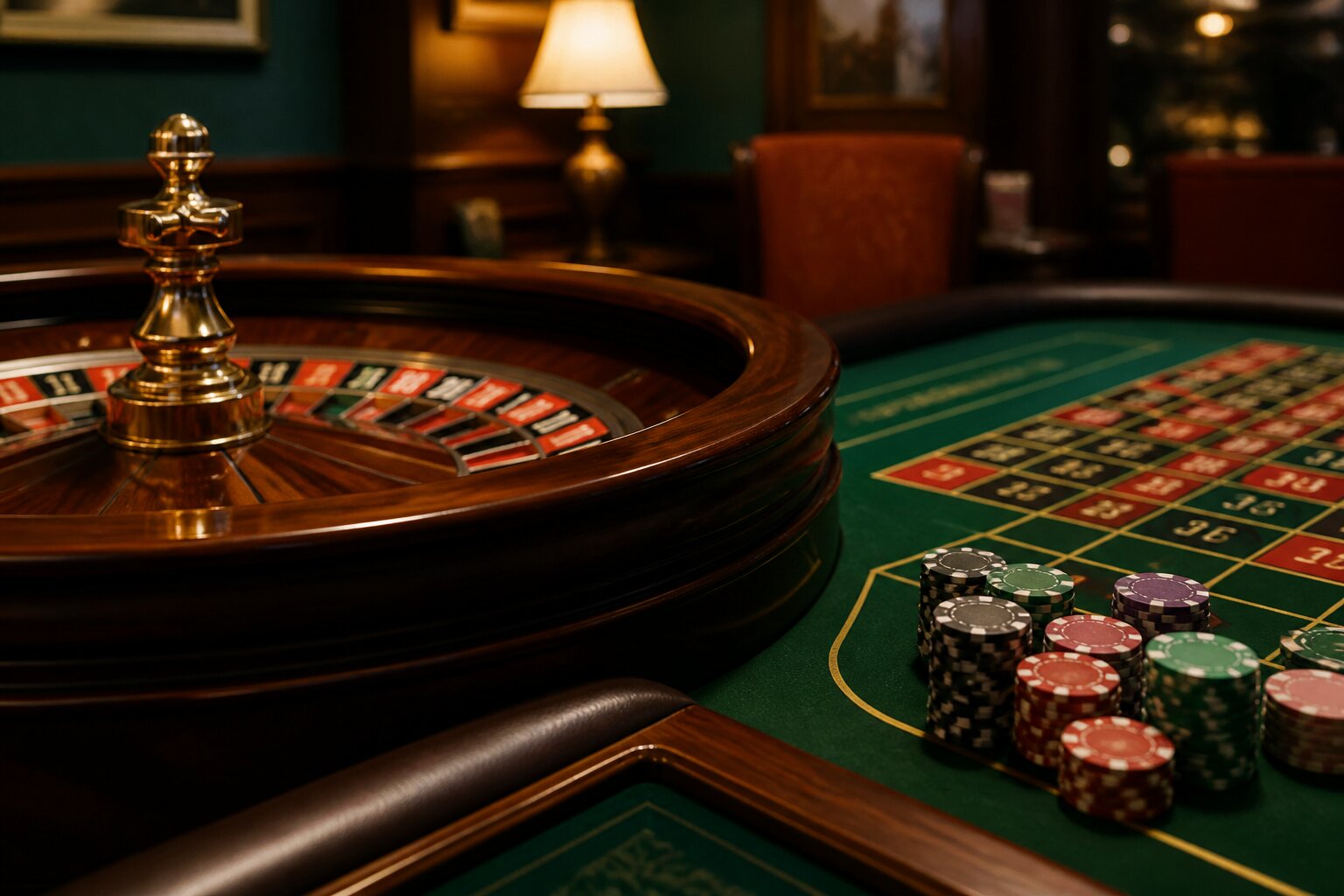
Looking to make your 20p roulette chips last longer on the roulette wheel? You are in the right place. Many players favour straightforward systems that give structure to betting without committing large sums, and 20p tables are ideal for experimenting with those approaches.
This article explains why 20p roulette appeals to so many people, covers the common strategies players use, and highlights practical factors to consider when choosing a table. Read on to find methods that match your style and to learn how to keep sessions controlled and enjoyable.
What Makes 20p Roulette Appealing to Players?
The main draw of 20p roulette is the low minimum stake. Betting from 20p lets players experience the game without large financial outlay, which suits those managing a modest entertainment budget or trying out different strategies. With smaller stakes, a session can last longer and decisions feel less pressured.
Lower bets also make it easier to test systems slowly and to alter stakes without upsetting the overall bankroll. This level of flexibility is useful if the aim is to explore different betting patterns or simply enjoy the game for longer periods.
A further advantage is the clarity it brings to bankroll management. When each spin costs 20p, planning session length and limits becomes straightforward, helping to keep play within personal boundaries. With that in mind, the next section outlines how the game itself operates at this stake level so you understand what those bets mean.
Understanding the Basics of 20p Roulette
20p roulette follows the same core rules as standard roulette but with lower stakes. The wheel contains numbered pockets, usually red and black, plus a green zero. Players place 20p chips on the table layout to back single numbers, groups of numbers, or broader categories such as red or black.
Different bet types carry different payouts. A single-number straight-up bet returns 35 to 1 if it wins, while even-money bets such as red or black pay 1 to 1. Dozens and columns cover twelve numbers and pay 2 to 1. There are also split, street and corner bets covering two, three and four numbers respectively, each with a payout that reflects the size of the market covered.
Because the minimum stake is small, players can try a range of these bets without large financial exposure. With that foundation in place, the next part explores the popular betting systems people use to structure their staking decisions.
Famous Strategies for 20p Roulette
Players often adopt named systems to add a method to their betting. These systems do not alter the underlying odds of the game, but they can influence how a session unfolds by changing bet sizes in response to wins and losses. Below are the most frequently used approaches and how they affect stake progression and risk exposure.
Martingale: A Risky Progression Choice
The Martingale system doubles the stake after each loss and returns to the starting bet after a win. Beginning at 20p, a losing sequence would lead to bets of 40p, 80p and so on until a win resets the stake. The appeal is straightforward: one win should recover previous losses and produce a small net gain equal to the original bet.
However, the main drawback is the speed at which stakes escalate. Table limits and a player’s budget can be reached quickly during a losing run, and large stakes may become unaffordable. Because of that exposure, many players prefer less aggressive systems. To see how another progression flips this idea, read on.
Reverse Martingale: Chasing Winning Runs
The Reverse Martingale increases stakes after wins and reduces them after a loss. Starting at 20p, a successful bet would be followed by 40p, then 80p if wins continue. The system aims to maximise periods of success while keeping losses limited to the original stake when a run ends.
This approach concentrates risk on sequences of wins rather than on recovering from losses. It can magnify gains during a positive sequence but also means that a single loss erases the accumulated increase. Players using this system often set clear targets for when to bank profits and return to the base stake.
The D’Alembert Approach: Seeking Balanced Bets
D’Alembert offers a gentler progression: increase the stake by one unit after a loss and decrease it by one unit after a win. With a 20p unit, the stake moves up and down more slowly compared with doubling systems. This produces smaller, steadier changes in exposure during a session.
Players who prefer a conservative rhythm often choose this method because it controls volatility more tightly. It does not eliminate risk, but it makes bankroll swings more gradual, which some find more manageable over longer sessions.
Are There Safer Approaches to 20p Roulette?
If the objective is to limit risk and stretch play time, choosing simpler bets and steady stakes works well. Even-money markets such as red or black, odd or even, and high or low cover close to half the wheel and result in more frequent, smaller wins. Regularly placing 20p on such markets preserves the budget and reduces the size of losses per spin.
Another low-risk tactic is to keep stake size fixed rather than following a progression. Consistent 20p bets remove the chance of rapidly escalating stakes and make it easier to predict how long a given bankroll will last.
No system removes the inherent uncertainty of the game, so pairing these approaches with pre-set session limits and a clear stopping point helps keep play controlled and focused on entertainment. With those choices in mind, the following section explains how table selection can further affect value and comfort.
Choosing the Right Table: Factors to Consider
Picking the right 20p table influences both the financial and practical side of a session. Confirm the table’s minimum and maximum bets, because any progression-based system needs room to increase stakes without hitting a limit. A low upper limit may prevent some strategies from being used effectively.
Variant matters too. European roulette with a single zero offers a lower house edge than the double-zero version, which generally makes it the better value for players seeking the most favourable odds. Game pace is another consideration: slower tables give more time to think between spins, while faster tables increase the number of rounds in a session.
Extra features such as side bets or auto-play affect how a session feels and how the bankroll is managed, so choose tables that align with the intended approach. Having selected an appropriate table, you are better placed to apply a chosen system in a controlled way.
Common Myths About 20p Roulette Strategies
A few persistent misconceptions can lead to unhelpful expectations. One is the idea that previous spins affect the next outcome; each spin is independent, and past results do not change the probability of future ones. Another is the belief in a hidden, unbeatable strategy; no staking plan can overcome the game’s mathematical edge.
Small stakes do not remove risk. Betting 20p reduces exposure but every wager still carries the possibility of loss. Treating the game as structured entertainment, rather than a way to generate income, helps keep choices sensible and sustainable.
If you experiment with a system, do so with clear limits and an eye on how stake progression feels in practice. That way you can learn what suits your preferences without exposing yourself to unnecessary risk.
To finish, remember that 20p roulette is a way to enjoy the game while keeping spending modest. Choose an approach that fits your budget, pick a suitable table, and set sensible limits so sessions remain comfortable and under control.
Play Casino Games at Star Slots
At Star Slots, we welcome you to discover a friendly and relaxed place to enjoy casino games on your own terms. There’s no fuss or complications—just a straightforward way to explore what we have to offer at your leisure.
**The information provided in this blog is intended for educational purposes and should not be construed as betting advice or a guarantee of success. Always gamble responsibly.